Rörelsepoesi
In the Formas-funded research project Movement Poetry led by FOJAB, we explore how an innovative and sensory design of sports halls can add new values to traditionally designed sports environments and open up for a broader and more inclusive use.
Physical activity is essential for good and equitable health. At the same time, we are generally less active and the gap between those who are physically active and those who are not is growing. Buildings and spaces for sport can be found in many parts of our cities and communities and should be important and attractive places for everyone. But far from everyone uses them. The problem is largely about a lack of well-functioning spaces, rather than a lack of spaces.
Movement Poetry is a collaboration between architects at FOJAB, researchers in sports science, diversity issues and place development at Malmö and Lund Universities, and the leisure administration at the City of Malmö. The project was granted funding from Formas 2024 within the call Gestaltad livsmiljö för hälsa och välbefinnande and will be reported in the fall of 2026.
In an ongoing process and with Hyllie sports center in Malmö as a test case, we investigate the characteristics, possibilities and limitations of the sports environment together with visitors and association activists at Hyllie sports center, local residents and not so experienced sports practitioners as well as artists. The focus is on analyzing what feelings and experiences are linked to the various sports spaces, how they vary between different groups of users or non-users and how different types of interventions in or changes to the environment affect the experience of different groups.
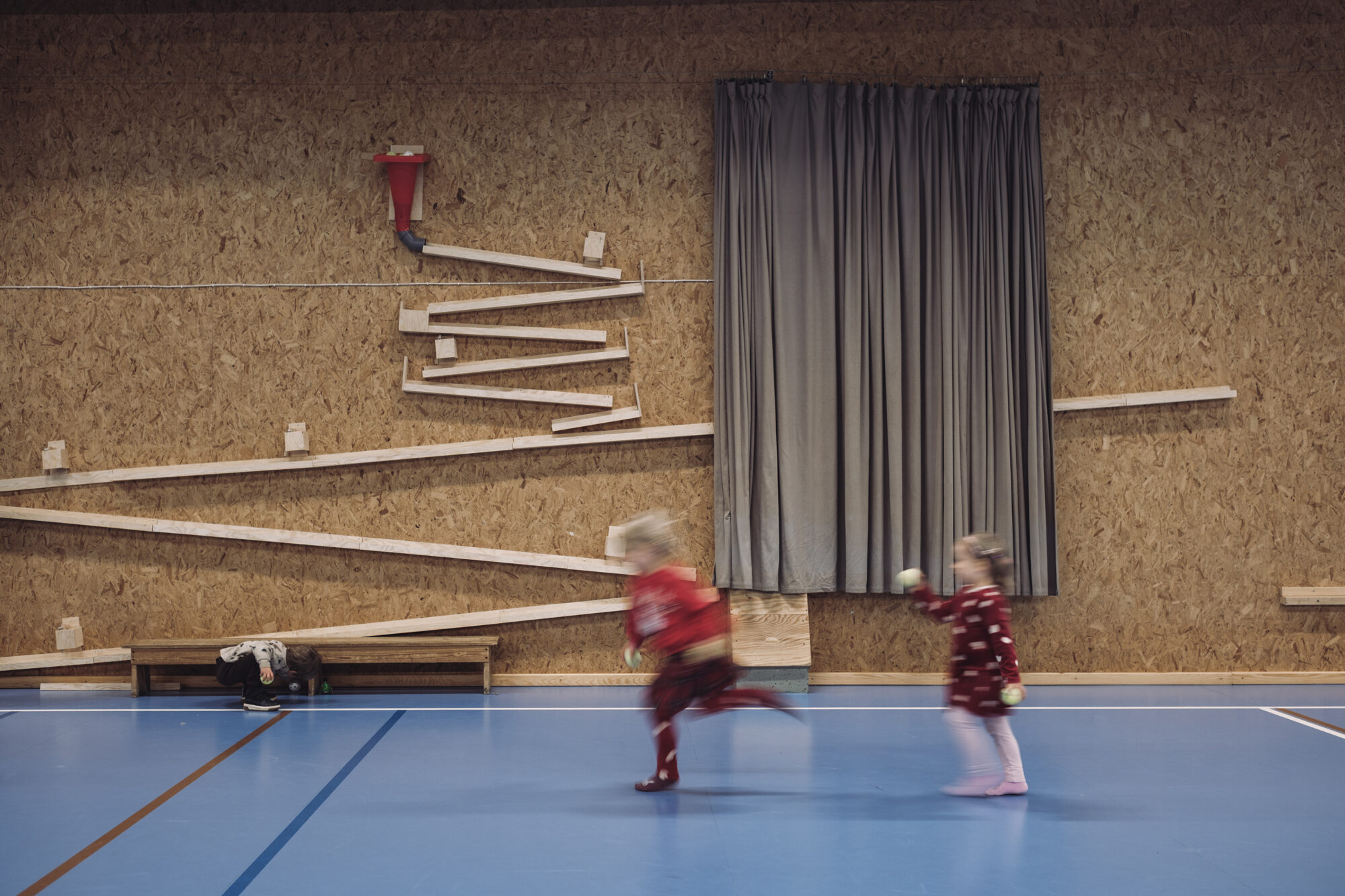
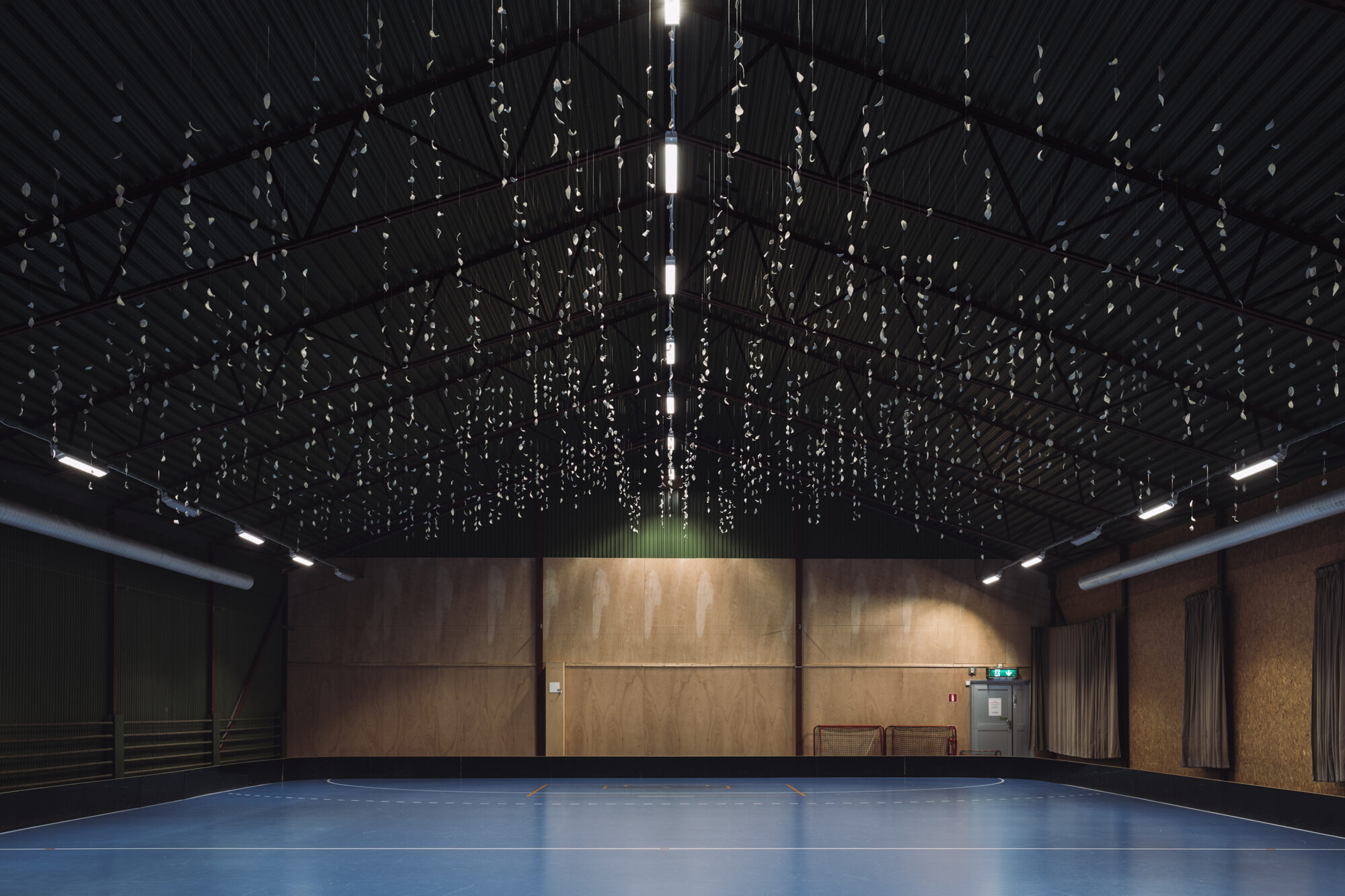
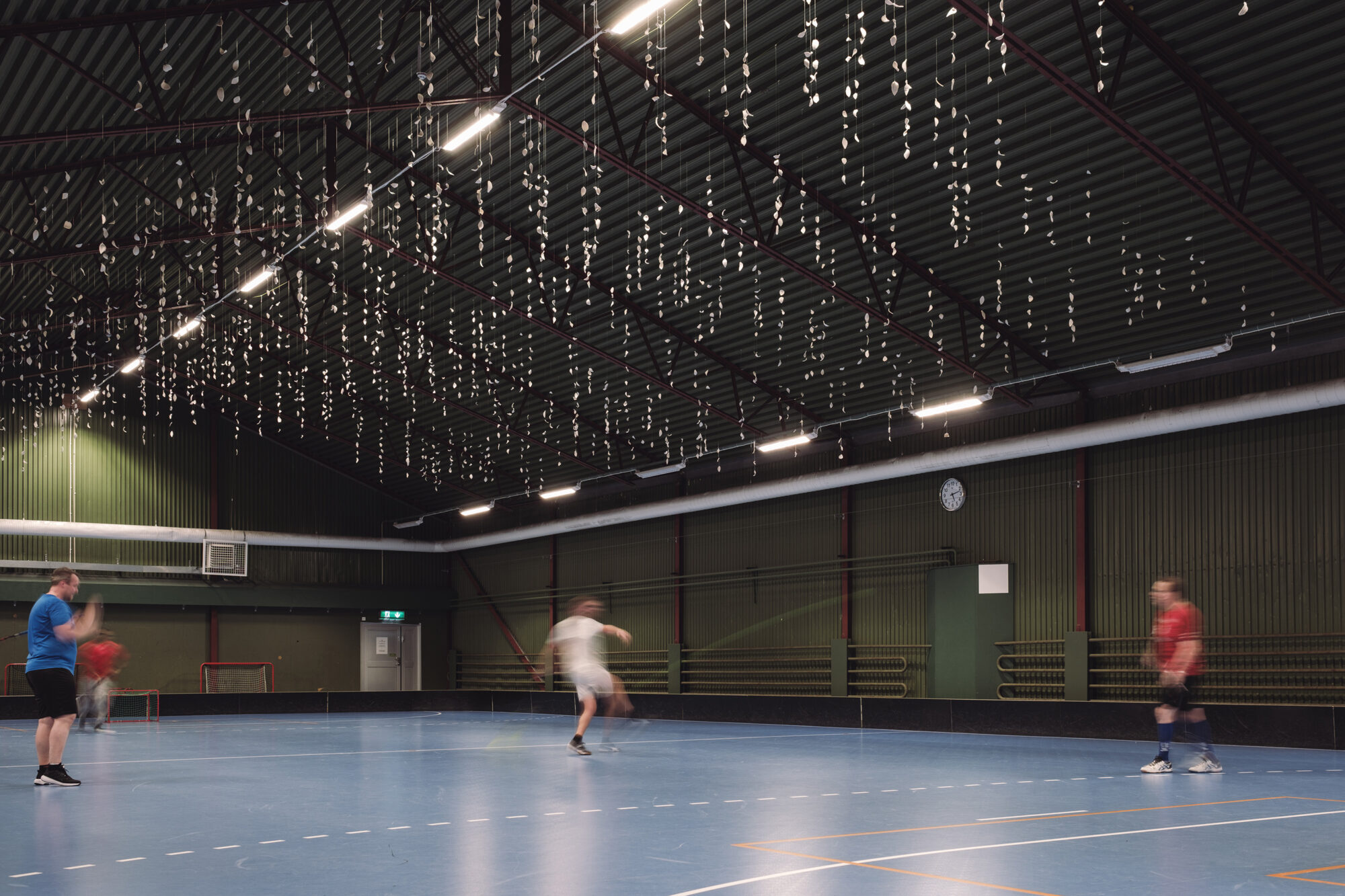
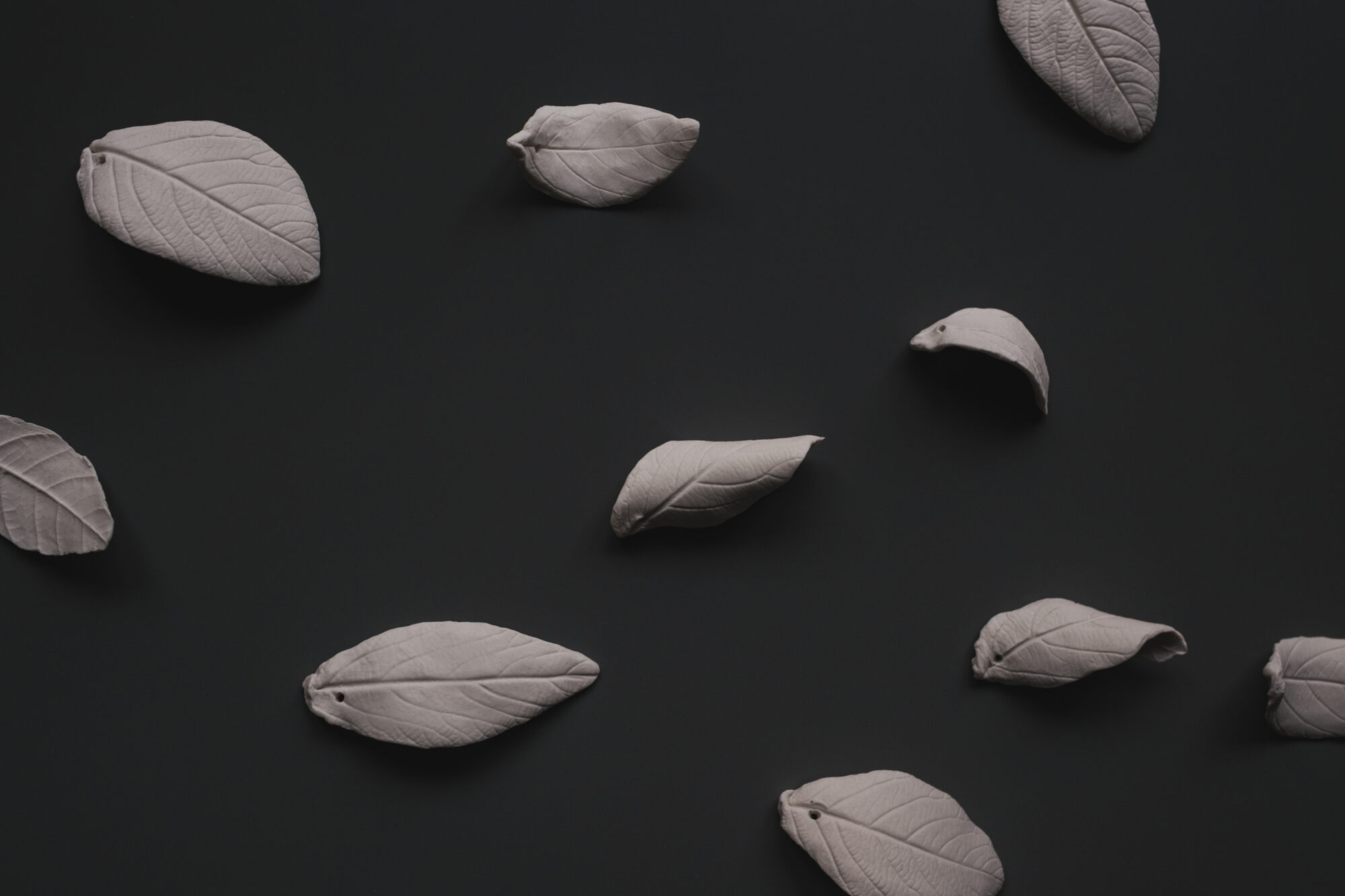
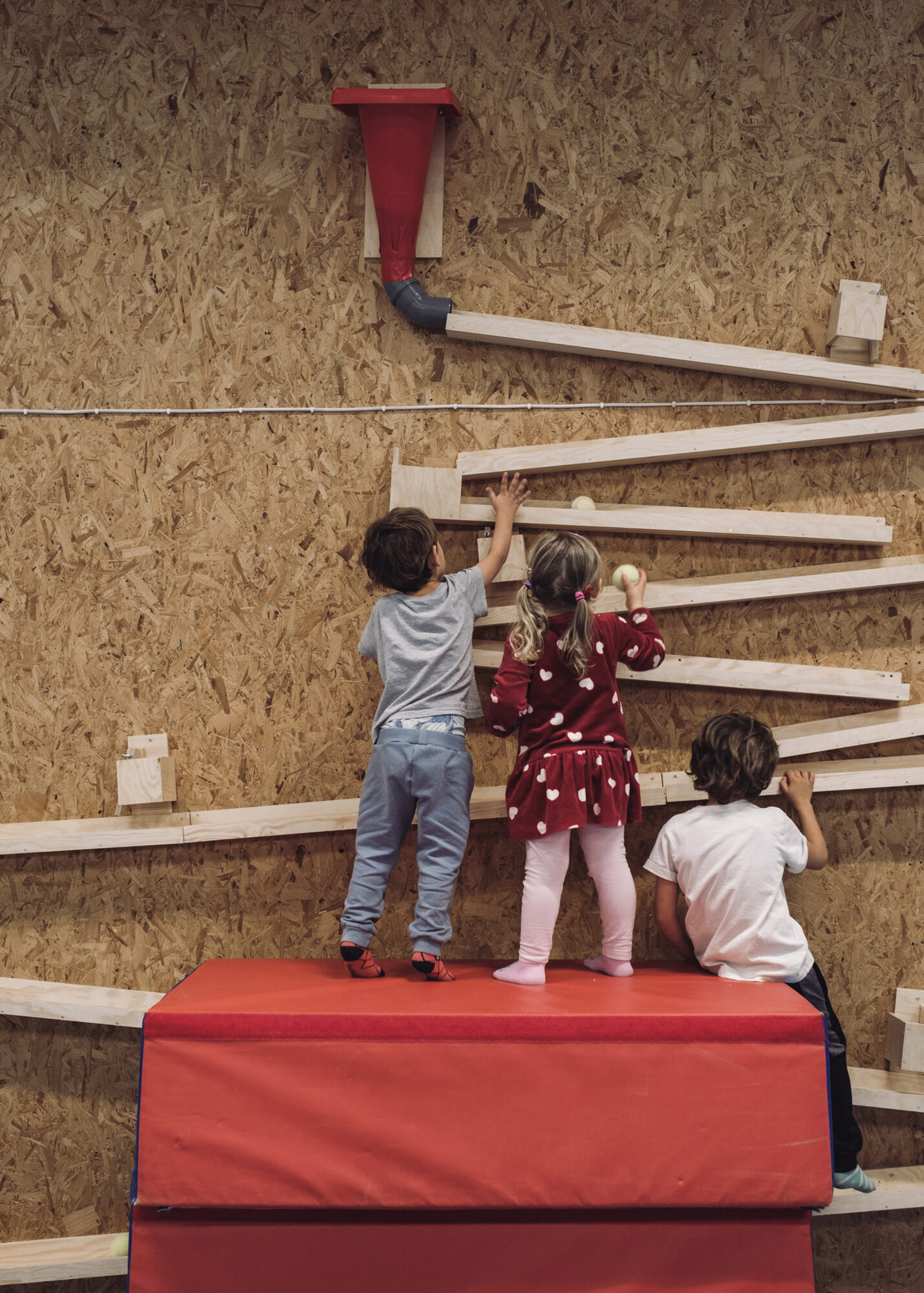
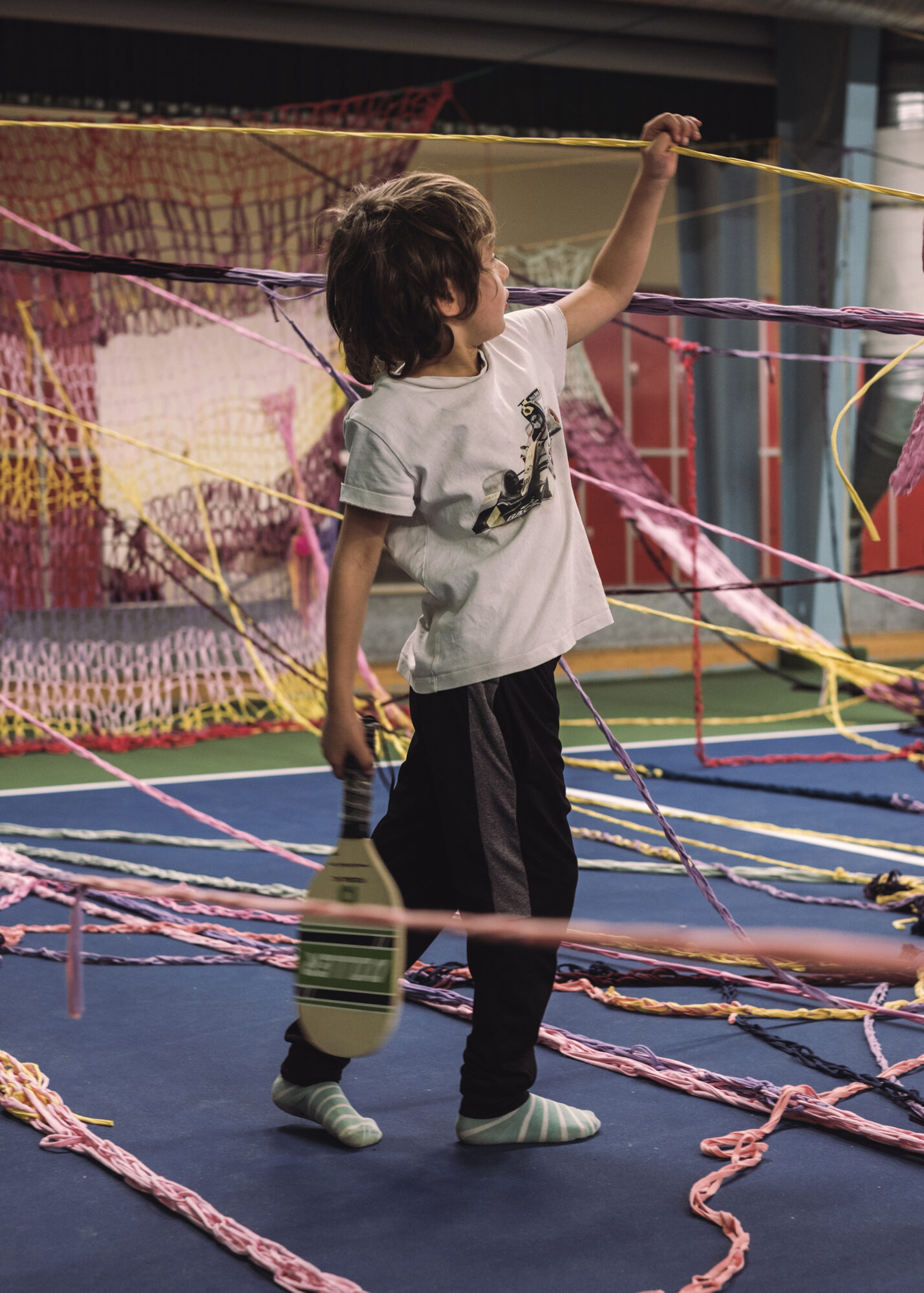
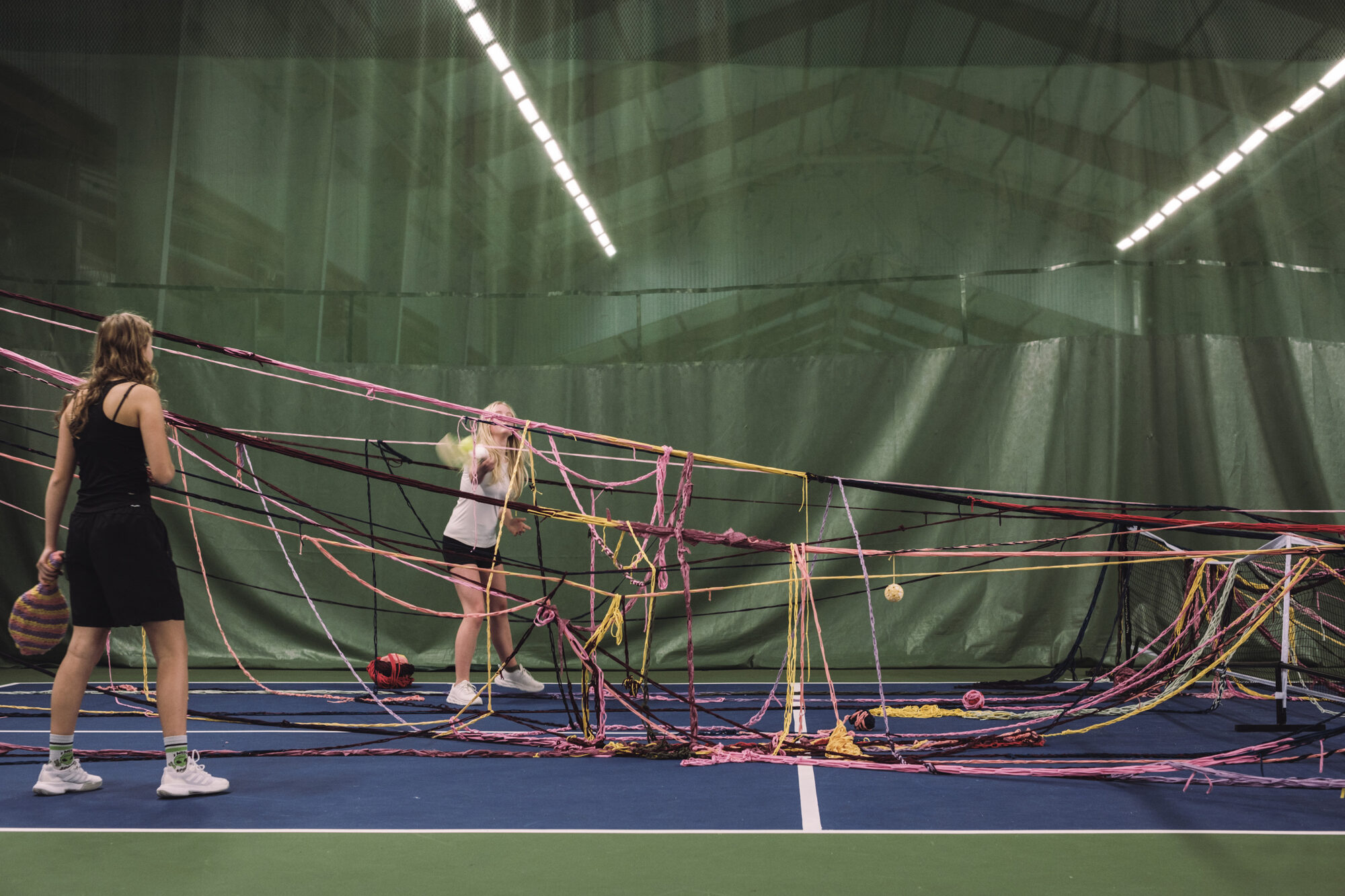
As part of the project, a so-called art disturbance was carried out in which three different artists were asked to interpret the dialogues conducted with different user groups. By supplementing a sports hall with a roof of thousands of ceramic leaves, another sports hall with a musical marble run on the wall and a pickleball court with a textile artwork that takes up the entire court, we are investigating what happens in the meeting between sport and art, which gives us valuable insights into how new and unexpected elements in the sports environment work and can affect the experience.
The theoretical explanatory model in the project consists of a number of physical, social and power-related border zones where respect for both the experienced athlete and the unaccustomed visitor to the sports hall can be handled in different ways. It is in the tension between these that movement poetry can emerge! The explanatory model will then be transformed into a number of physical prototypes that will be tested on site at Hyllie sports center. In addition, an idea bank will be developed with many more possible solutions for how innovative and sensory values can add new values to traditional sports halls.
The project will create and disseminate knowledge about new ways to design sports environments so that they can contribute to increased physical activity for everyone, not least for groups that do not move much today. Many sports halls and school sports halls around the country are facing renovation and one goal is to show how, through transformation and refinement of what already exists in a sustainable way, environments can be created that open up for more uses, functions and users, rather than building new ones.