Filmhuset Kino
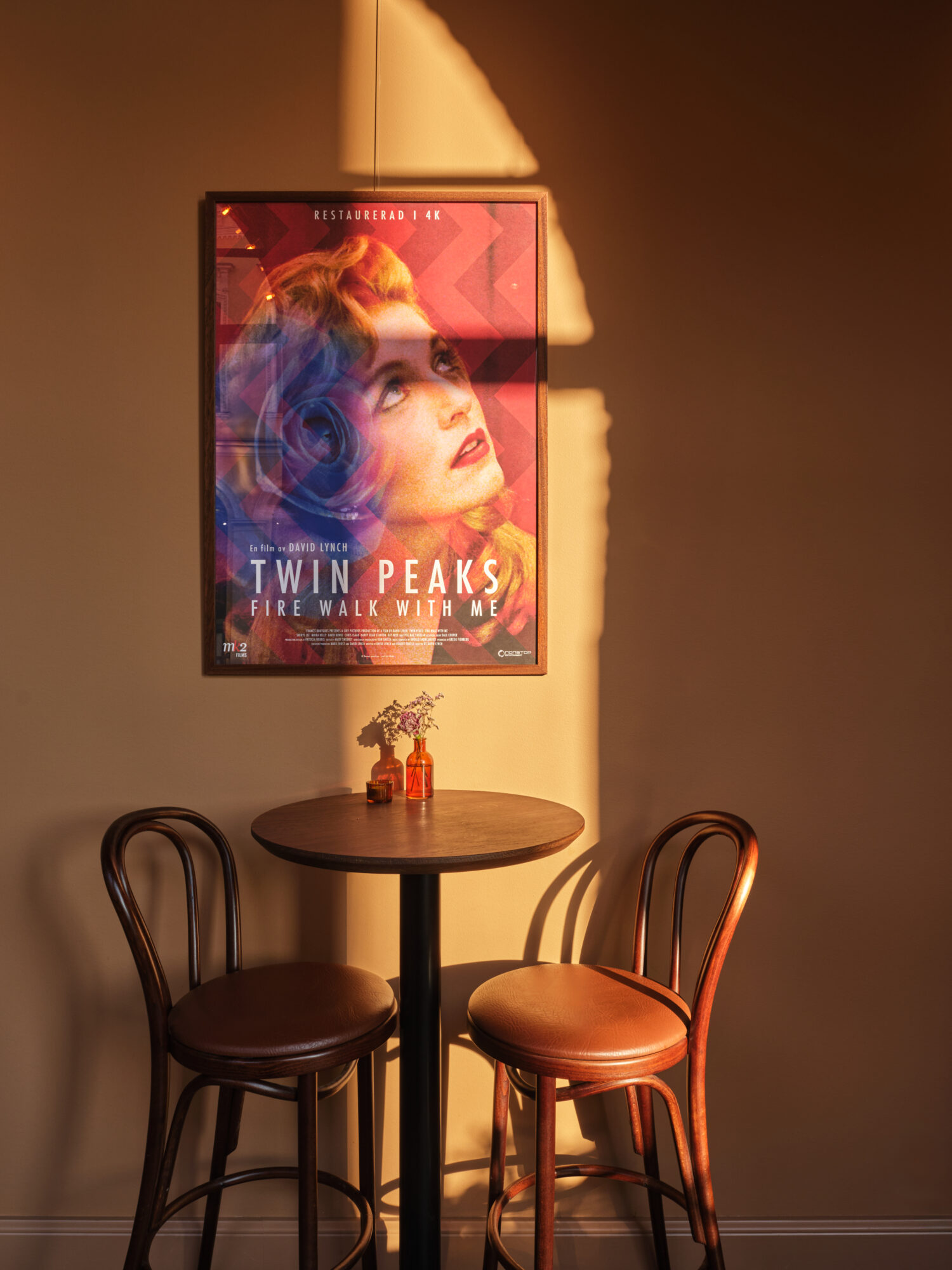
The formerly overcrowded Kino cinema in Lund has expanded into an adjacent bank building in a central location just off Stortorget. The project includes two new movie theaters, two dining rooms and a social atrium that connects the new functions with the existing cinema. FOJAB has been responsible architects and interior designers from feasibility study, system document / building permit, FFU to finished construction document.
One of Lund's most historic buildings, located on one of the city's most important street corners, has been opened up to Lund residents and visitors and contributes through culture and architecture to a vibrant city center. The classic Lund cinema Kino has expanded its operations into the magnificent bank palace, which has now undergone a careful and respectful transformation. Together with Folkets Bio and the property owner Stena Fastigheter, FOJAB has created a complete movie house with four movie theaters of different sizes, stages for talks, lectures and live music, and a bistro. The ambition has been to create a coherent whole where film, culture and meetings interact.
Making the building and the site accessible to the public has been central to the redevelopment. The starting point was to preserve as much as possible of Carl Bergsten's National Romantic bank building from 1912 - both in terms of materiality and architectural potential. At the same time, a new element has been introduced through the cinema aesthetic. With its clear, Art Deco-inspired design language, it adds an exciting dynamic that complements the existing without competing. The large banking hall with its arched glass roof has become the heart of the movie house. The arched windows, which during the bank's time were largely shuttered and shielded from view, have been opened up so that passers-by on the pedestrian street can see into the bistro, enlivening the street space well into the evening.
The ornamented wooden parts of the building have been carefully renovated, both inside and out, and in some cases moved within the building. After several renovations over the years, large parts of the original architecture had been hidden behind panels, ceilings and floors. In the entrance area, which had previously been dismantled, cross vaults were exposed and now mark the entrance again and reinforce the original structure of the building. In both the staircase and the bank vault, there was coal marble that was salvaged and reused or moved up one floor to the large foyer.
Many solutions have gradually emerged as new discoveries have been made during the course of the work - all with the aim of highlighting the building's previous expression and qualities. Two works of art that were previously hidden from the public have also been given prominent positions. An intarsia wall panel from 1949 with motifs from Lund is now in one of the bistro's dining rooms. A 1950 glass artwork by Orrefors Glasbruk, also with local figurative motifs, has been placed in a place of honor in the atrium.
Winners of the Lund Urban Design Award 2025